

To start this column let’s have a coffee
Those who support and consume Tatawelo coffee create dignity equality and autonomy. Following the motto “para todos todo,” with your cup every morning, you participate in concrete action against multinational corporations that starve farmers, contaminate their lands forcing them to migrate and live precarious lives.
Tatawelo is a project that supports in a direct and participatory way the peasants of Chiapas and Guatemala by fostering life in their territories, healing open wounds of years of colonialism, repression, dictatorships, enhancing the concept of “Lekil Kuxlejal” essence of Mayan culture and identity known as “Buen Vivir” by taking care and living in harmony with people and nature .
With our daily choice in defense of Mother Earth we help fight together with them the unlimited exploitation of nature, we sow beauty and resist destruction, we make a difference to improve society.
This model of another economy also creates here at home a more conscious lifestyle of participatory direct supply chains and sustainability practices related to access to good and healthy food.
The relationship economy we have implemented as Tatawelo, since the first importation of green coffee in 2003, with pre-financing has allowed us to put mutualism and solidarity into practice, aimed at improving the quality of life of our “cafetaleros” and their families.
Supporting with the project fee the additional needs that the cooperatives have been able to fund and which you can see in our social report on the Tatawelo.it website
Coffee cultivation is managed in “agroecology” to express an understandable concept here but the practices of farmers in indigenous Mayan communities are their history living in relation to nature with respect and gratitude since forever. This pattern of life is their resistance .
Their social and management choices of daily life, in fact preserve not only their identity as a population, but also biodiversity itself, cultivating and producing coffee while respecting cultural traditions, with the aim of obtaining healthy food for their families and for us in solidarity.
In an area where cartel crime is able to take control, the devastation of the environment by multinational corporations is always lurking as are the consequences of climate change, the unquestioned dominance of capital over human rights, and the humanitarian tragedies that accompany new waves of migration living in community means fighting for life, and despite everything sometimes pushing you to give up proving that the daily practice of “Lekil Kuxlejal” gives hope and concrete results for the next generation.
The communities, the Zapatista bases have been practicing civil, peaceful disobedience, non-violence for more than three decades, we at Tatawelo in these 20 years of walking with them have known and seen the change that can be achieved by living this daily rebellion. They were able to provide for all, access to land, livelihood, education, continuity in collective memory, a dignified and communal life by collectively producing food, health, to education, art, music, creating from below immediate existential benefits to those who participated in life together.
At a moment in history where authoritarian powers and unbridled individualism is devastating in the Zapatista territories, two major transformations are taking place, which were made known in the commemoration on January 1 thirty years after the 1994 EZLN insurrection at which we were present.
Although the “people command and the government obeys” criticism and self-criticism have led to the reversal of the pyramid by dissolving the Councils of Good Government for the creation of countless LAGs (local self-government) highlighting the need to stay closer to the places where people live, the importance that each family ,cell, group, colony, ejido or aldea should solve in the first place in its interior any problem or need and then expand to the networks of LAGs gathered in territorial assemblies.
With the purpose of standing together as human beings against violence and capitalism it was decided to implement by sharing even with non-Zapatistas from all parts of the world the lands recovered in 1994 . Land as an asset in common sharing by extending awareness of the importance of working it and living off it without destroying it and without title to it.
A message of peace that will be followed by concrete actions to organize their coexistence and rethink their forms. An example, a reference and an inspiration, for other communities, fundamentally indigenous, but not only.
At this critical time in global history, it is important to join this struggle for life and defense of the land and Mother Earth. Tatawelo decided to respond to the invitation of the Zapatista communities,
including in our action the community of women from Puente Alto near Barrillas region of Hueuetenango.
Sebastiana, Eulalia, Catarina, Isabela, Felfina, Maria, Dolores, Maria M. returned to their lands with much difficulty after experiencing the atrocitỳ of the massacre of their community in which on July 7, 1982, 365 inhabitants were killed and then set on fire at the hands of the army of dictator Rios Montt, whose executioners went unpunished. Despite the scars they carry, with a will̀heroic will̀ and without resources, they have continued to grow coffee in agroecology. United together for the common good and to give hope to their children, they have found the strength to move forward in contrast to the current development model based on personal profit and agribusiness, promoting a sustainable agricultural model that values the local community and respects the environment. They were the driving force behind the cultural change and bylaws of the ASOBAGRI Cooperative Association founded in 1986 where for the first time in cooperative history women were recognized as members and owners of the land where they grew their coffee. Other women have since joined representing nearly 30 percent today, taking over the vice presidency and promoting empowerment with a dedicated coffee line called proprietary “dueñas.” With the intention of giving voice even this side of the sea to Puente Alto women and movements we created EFFE the feminist café.
The name Effe Café is inspired by the EFFE magazine of the 1970s (efferivistafemminista.it) of women’s counter-information, in fact the first Italian magazine of current affairs and culture related to the feminist movement of that period. We think of this café as a vehicle for keeping alive the memory of feminism’s heritage of ideas and struggles and for the realization of a more just and egalitarian world.
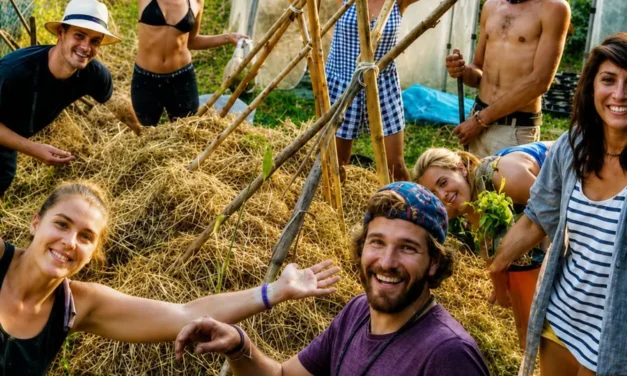
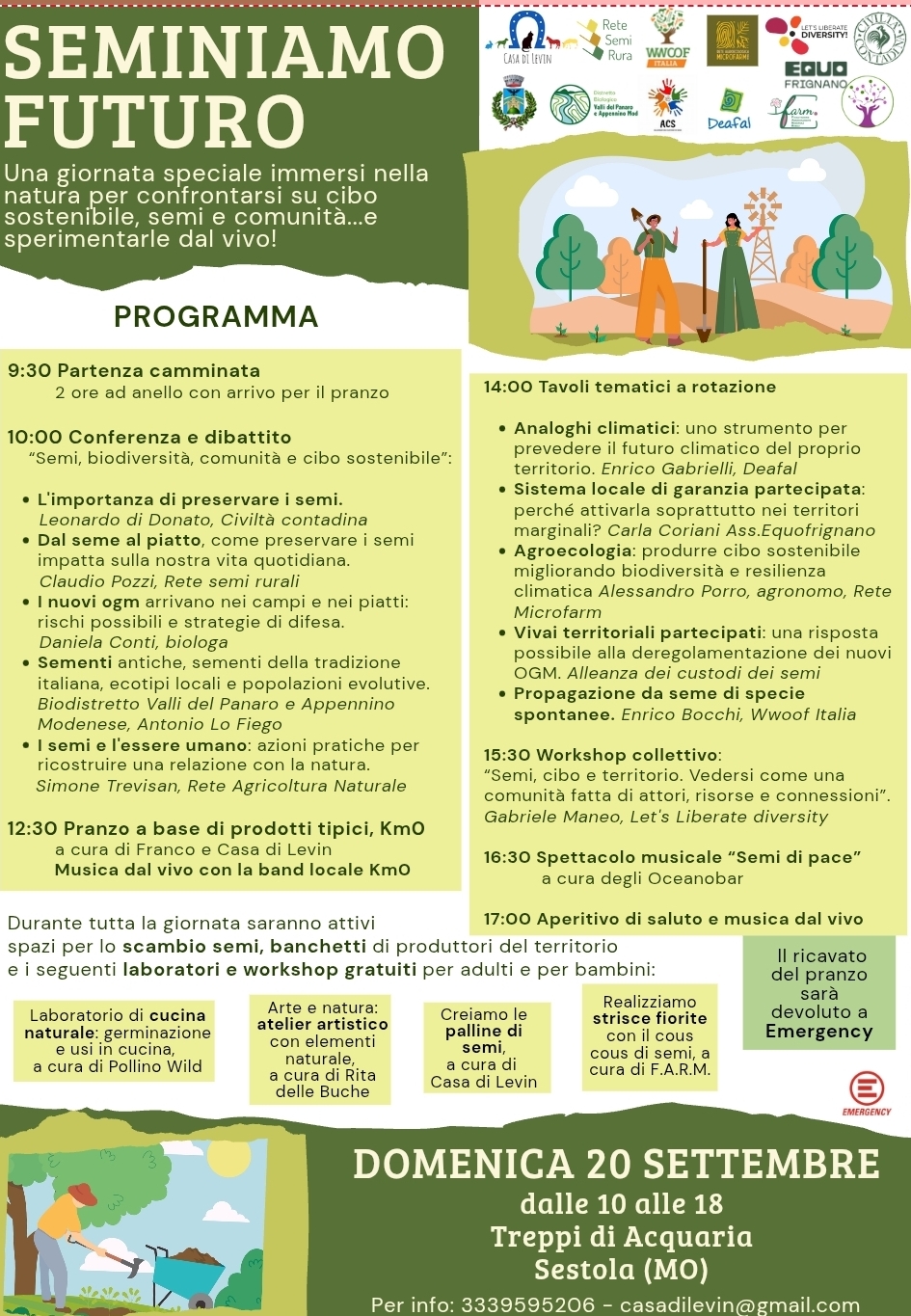
We thank the WWOOF network for joining us in this struggle for a better world where land is common and life is respected.
Thank you for being part of the change.






0 Comments