
It is time to move away from the intensive agricultural production model, centered on maximizing short-term yields, degrading the land and its biodiversity, to accelerate the agroecological transition of our agri-food systems.

It is time to move away from the intensive agricultural production model, centered on maximizing short-term yields, degrading the land and its biodiversity, to accelerate the agroecological transition of our agri-food systems.

October 13, 2025 – Scandicci (FI)
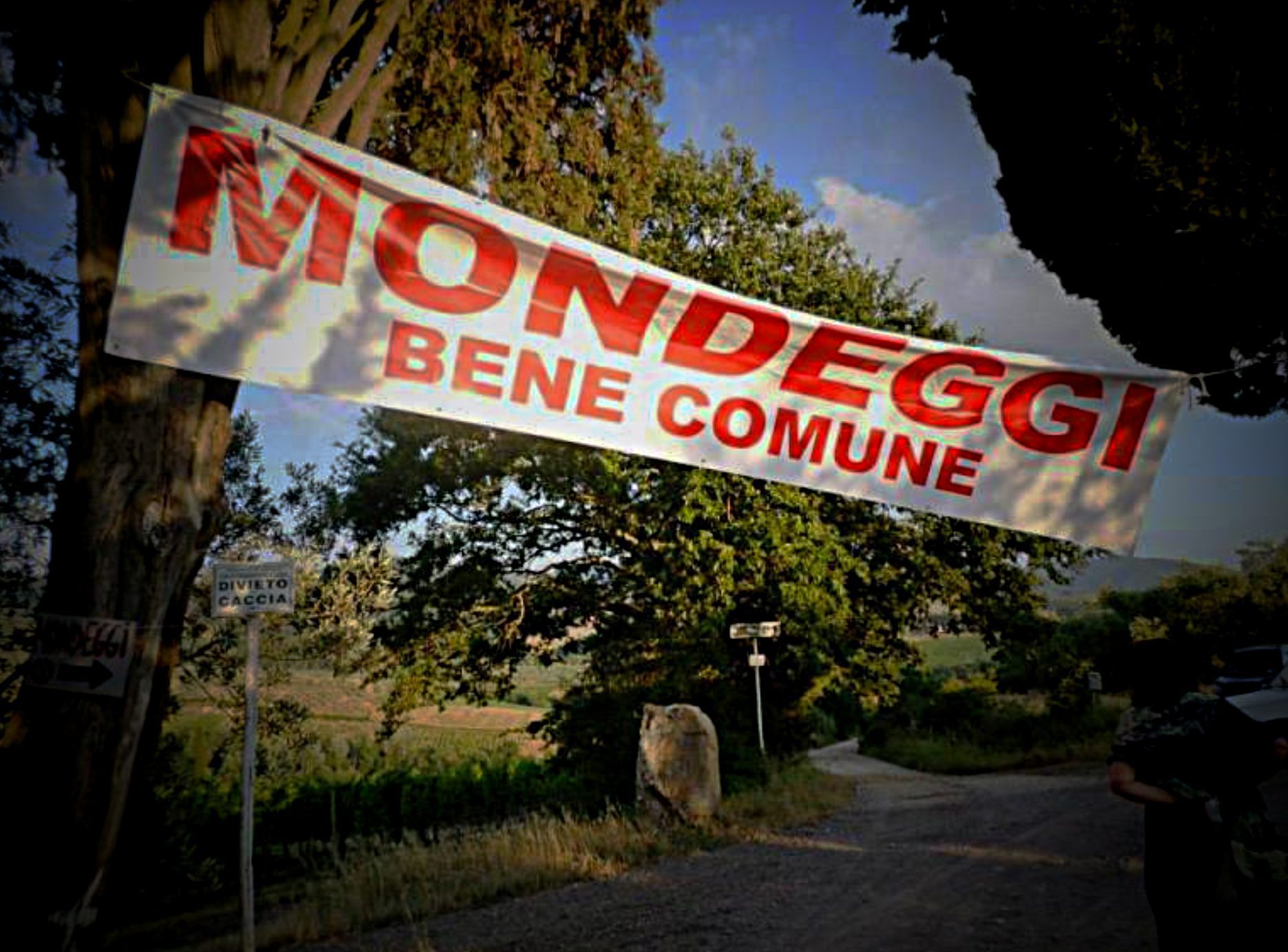
the co-design notice will start soon and will cover the entire estate, thus all the farmhouses and all the land, excluding the villa; the Metropolitan City has also expressed its willingness to ensure the continuity of the garrison and its activities until the end of the works
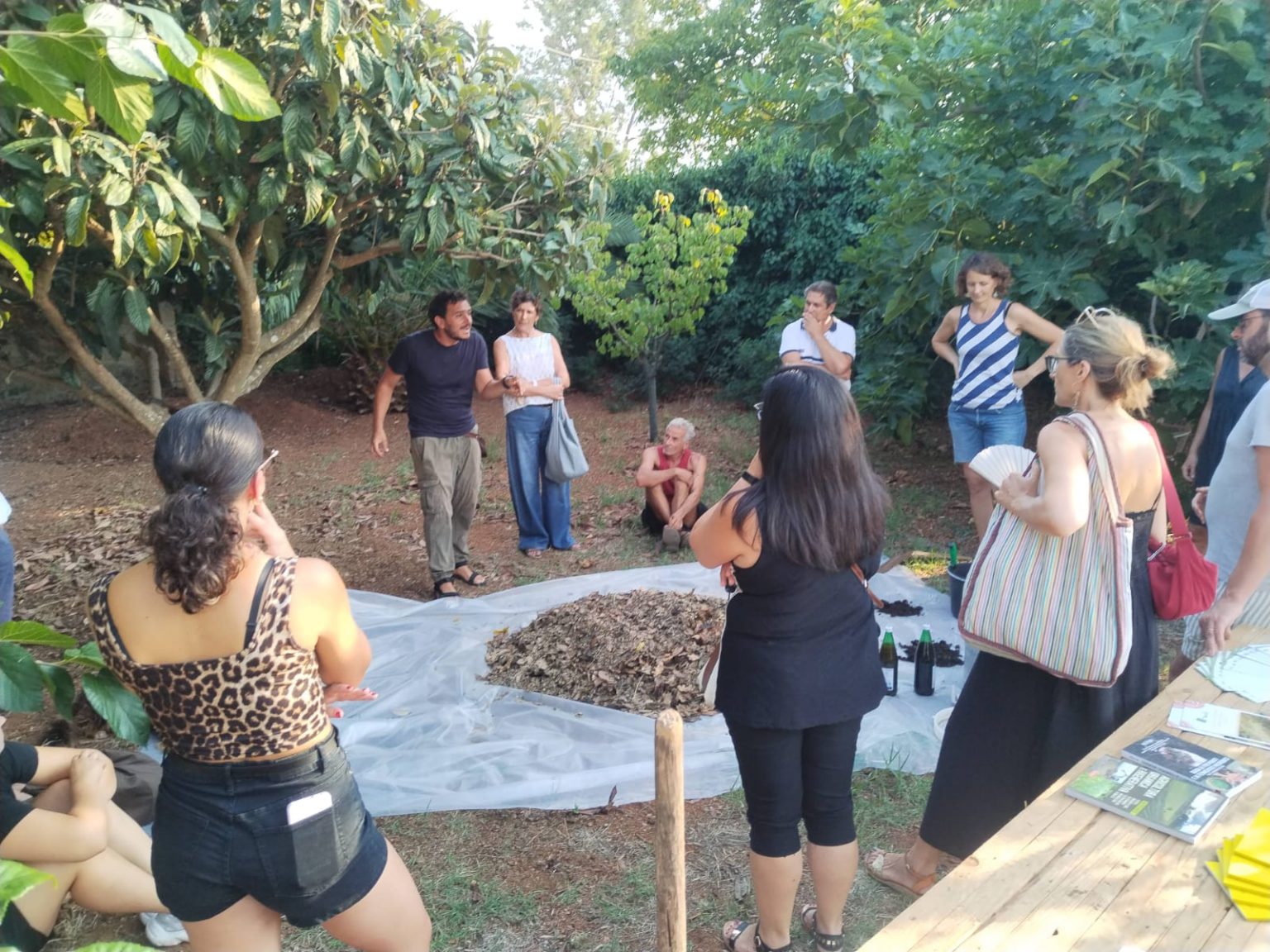
The climate crisis, socio-economic inequalities and depletion of natural resources require thinking about global agri-food systems.

November 2, 2024 in Grassina (FI)
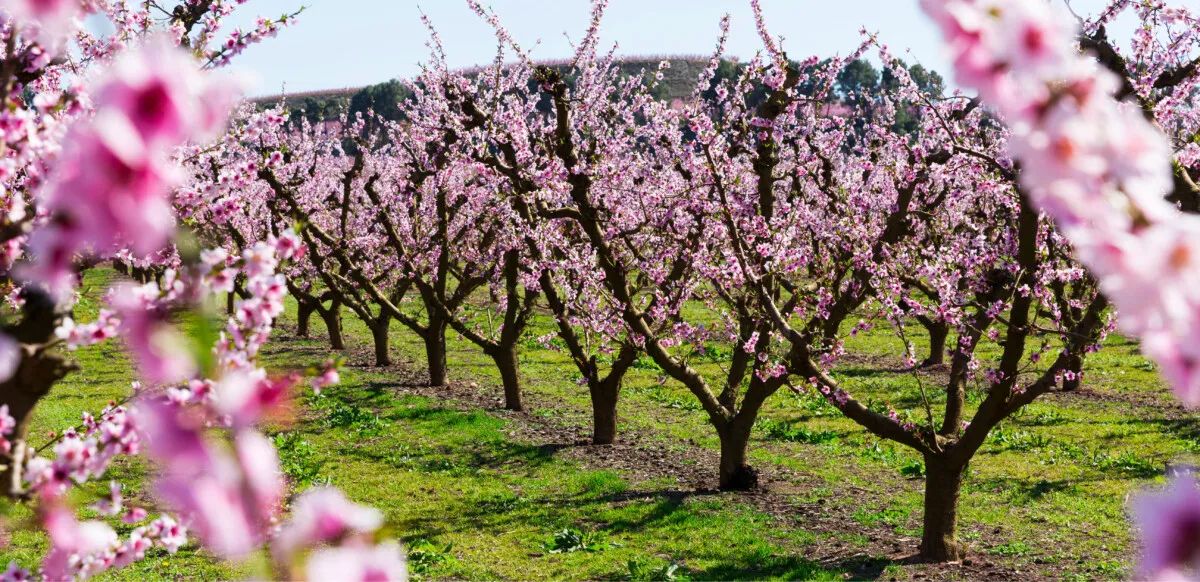
There are some issues such as the loss of crops or the crisis of some sectors that are dangerously used to protect a market system (the real cause of the crisis) even by using “ecological” arguments, dreading environmental degradation as a consequence of reduced CO2 absorption capacity: an adult plant captures 100/250 g of dust and smog per year, and fewer plants implies having less depollution.

Can we think of rejecting this model and radically changing the system to move towards a real ecological, energy and technological transition, keeping together policies that respect the environment, work, people’s lives, water and energy supplies?



Select the language for displaying the website.